Top-Quality Concrete Solutions for Durable and Attractive Construction
Premium construction offerings serve as an essential component in ensuring both strength and visual attractiveness in construction. Using superior-quality materials and innovative approaches can significantly affect the lifespan of edifices. However, many fail to recognize the importance of selecting the suitable professional. This frequently causes costly mistakes and subpar results. Grasping the intricacies of concrete services can present options that not only fulfill functional requirements but also elevate visual impact. What should one examine when making this vital choice?
Advantages of Professional Concrete Contracting
Quality concrete services play an essential role in the success of construction projects. They establish the foundation for structures, maintaining durability and stability. High-quality concrete can withstand environmental stresses, decreasing the likelihood of cracks and other building defects over time. This dependability not only improves safety but also lowers maintenance costs, making it a economical choice for builders and property owners.
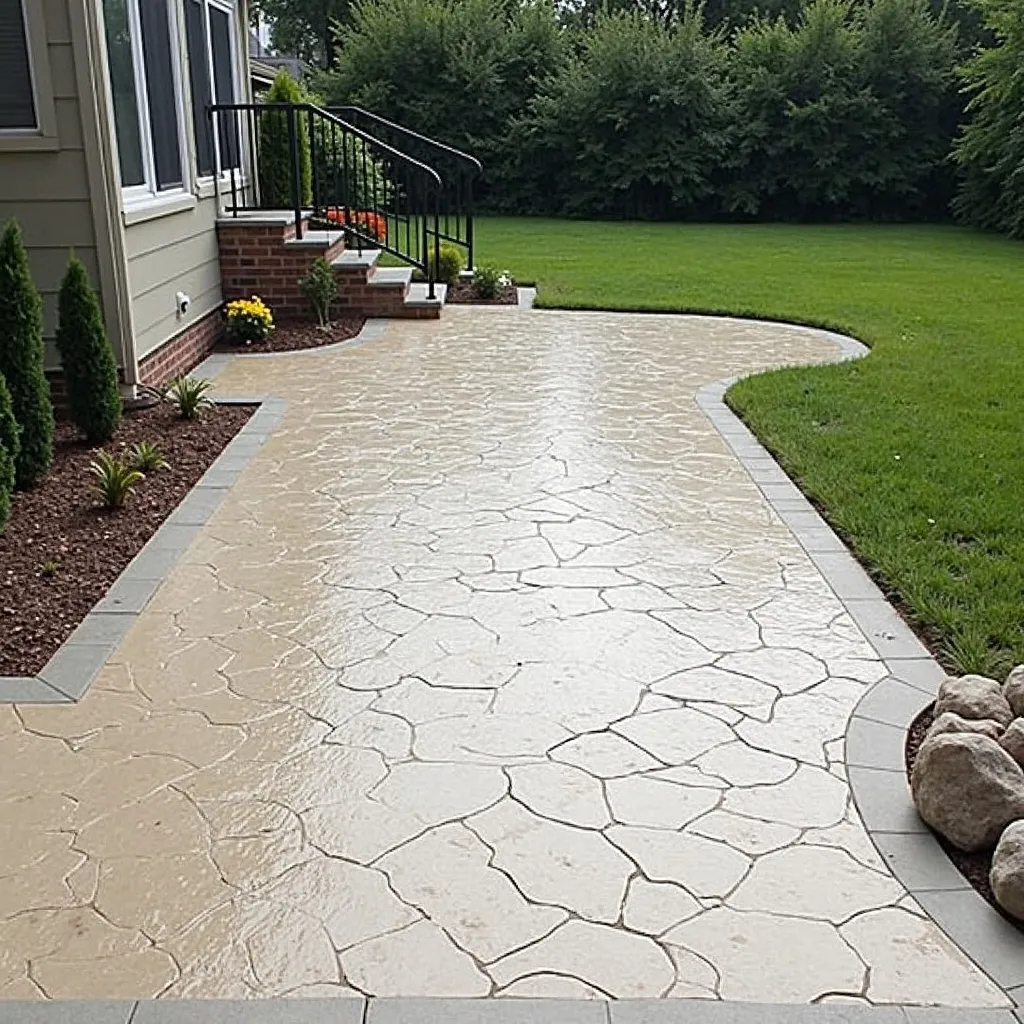
Notably, quality concrete services offer aesthetic options that can maximize a project's visual appeal. Treatments like stamping and coloring allow for creative designs that can blend with a building's architecture. Skilled and punctual execution of concrete work also supports construction pace, eliminating postponements that can come from subpar materials or workmanship. Ultimately speaking, selecting premium concrete offerings forms a solid foundation for resilient, long-term building, reinforcing their importance in the total scope of building practices.
Picking the right concrete services is vital and can greatly influence the overall success of a construction project. One common mistake is prioritizing cost over quality, leading to subpar materials and workmanship. Clients often neglect to validate the contractor’s credentials, which can result in hiring unqualified staff. Another frequent issue is failing to examine previous projects or client testimonials, losing the chance to assess the contractor's reliability and expertise. Additionally, poor communication about project specifications can cause misunderstandings and unsatisfactory outcomes. Moreover, many overlook the importance of understanding the different types of concrete available, which can influence durability and aesthetics. Furthermore, ignoring the long-term maintenance requirements may cause unexpected expenses and repairs later. By being conscious of these pitfalls, clients can make more smart decisions, ensuring their concrete services meet both functional and aesthetic demands.
How to Locate the Ideal Concrete Providers?
When choosing concrete services, it is crucial to evaluate the skill and knowledge of potential providers. Reviewing the variety of offerings offered can also help guarantee that specific project needs are met. A detailed comparison can lead to a more informed decision and successful outcomes in construction projects.
Examine Experience Level And Technical Knowledge
To guarantee a successful concrete project, it is essential to evaluate the experience and expertise of potential service providers. Assessing a contractor's track record can provide insights into their reliability and skill level. Prospective clients should inquire about previous projects, focusing on similar work and the challenges faced. A well-established provider often possesses not only technical skills but also problem-solving abilities honed over years in the industry. Additionally, checking for certifications and training can indicate a commitment to quality and safety standards. Recommendations and client testimonials serve as useful resources for gauging satisfaction and performance. Ultimately, selecting a concrete service provider with substantial experience can greatly impact the project's durability and overall aesthetic appeal.
Examine Service Range Supplied
How might one identify the most appropriate concrete services for a specific project? Evaluating the service range provided by prospective contractors is essential. A detailed service portfolio typically includes options such as decorative concrete, stamped finishes, and various mix designs. It is also important to reflect on whether they provide specialized services like repair, resurfacing, or custom installations. By reviewing the types of projects previously completed, one can evaluate the contractor's versatility and capability. Additionally, inquiring about the materials and techniques used can demonstrate the commitment to quality and innovation. Ultimately, a clear comprehension of the available services will assist in selecting a provider that aligns with the specific requirements and aesthetic goals of the project.
Innovative Concrete Services and Techniques
Innovative concrete services are revolutionizing the construction landscape through aesthetic finishes and eco-friendly methods. These advancements not only elevate aesthetic appeal but also promote environmental responsibility. As the industry evolves, the integration of creativity and sustainability in concrete applications becomes increasingly essential.
Aesthetic Concrete Services
As the demand for functional and aesthetically pleasing surfaces expands, decorative concrete solutions have established themselves as a popular choice in modern construction. These creative methods change basic learn the details concrete into visually striking elements that elevate both commercial and residential spaces. Options such as patterned concrete, aggregate exposure, and color applications allow for personalization that meets diverse design preferences. Additionally, overlay systems can rejuvenate existing surfaces, offering a economical method to create a new appearance. The versatility of ornamental concrete not only improves aesthetic appeal but also contributes to longevity, rendering it appropriate for heavily used locations. As builders and architects keep exploring innovative options, decorative concrete solutions are poised to play a important position in coming industry trends.
Environmentally conscious Concrete Techniques
Sustainable concrete practices are becoming more essential in the building sector, driven by a growing awareness of ecological consequences. These methods seek to minimize the carbon footprint associated with concrete manufacturing and application. Methods such as incorporating recycled materials, including fly ash or slag, not only improve longevity but also decrease refuse. The incorporation of advanced additives can enhance functionality while decreasing the quantity of cement required. Additionally, adopting sustainable techniques during manufacturing and transportation contributes to lower emissions. Environmental certifications and eco-friendly designs further emphasize environmental responsibility, ensuring projects satisfy modern ecological requirements. As the sector develops, the integration of sustainable practices will play a pivotal role in attaining long-lasting and environmentally responsible construction approaches.
Stylish Concrete Solutions for Your Job
While many may connect concrete with a functional approach to construction, stylish concrete solutions have come forth as a proof of creativity and design flexibility. Modern techniques allow for a vast range of finishes and textures, shifting concrete into an aesthetic asset. Decorative concrete selections, such as stamped designs and polished surfaces, enable architects and designers to develop striking visual effects that enhance both residential and commercial spaces.
Coloring agents and pigments can be integrated, delivering a palette of shades to suit any artistic direction. Moreover, concrete can be molded into intricate shapes, permitting distinctive design elements that shine through. The integration of concrete with various substances, such as wood and metal, further elevates its desirability. Whether for driveways, patios, or artistic installations, contemporary concrete approaches provide an opportunity to blend functionality with art, ensuring that projects are not only resilient but also aesthetically delightful.
Extended-Term Gains of Premium Concrete Investments
Opting for premium concrete solutions not only enhances aesthetic appeal but also supplies significant long-term advantages. One of the core strengths is durability; premium concrete stands up to weather extremes, lessening frequent repairs. Its resistance to cracking and chipping guarantees lasting performance, establishing it as a economical alternative over time.
Moreover, premium concrete boosts energy effectiveness. Its thermal mass properties help stabilize indoor thermal conditions, potentially lowering heating and cooling costs. This property champions sustainability, conforming to environmentally-conscious construction practices.
Furthermore, the versatility of premium concrete facilitates a wider range of design options, enabling property owners to fashion unique, customized spaces that can adapt to evolving needs. Overall, investing in premium concrete methods not only reinforces structural integrity and aesthetic charm but also delivers substantial economic gains and environmental benefits, cementing a judicious venture for the future.
True Illustrations of Substantial Success
Countless initiatives throughout the planet display the revolutionary power of superior concrete in building. One notable example is the Burj Khalifa in Dubai, where reinforced concrete permitted the skyscraper to attain extraordinary heights while ensuring stability. Similarly, the National Museum of African American History and Culture in Washington, D.C., employed architectural concrete to merge durability with artistic elegance, forming a striking and resilient structure.
In Australia, the Sydney Opera House exemplifies how concrete can be both functional and iconic, with its unique sail-like design supported by detailed concrete forms. Additionally, the use of permeable concrete in urban landscapes has boosted drainage and reduced flooding in cities like Portland, Oregon.
Questions People Often Ask
What Are the Environmental Consequences of Concrete Production?
Concrete production significantly adds to carbon dioxide emissions and depletion of resources. It demands considerable energy, leading to air and water pollution. Additionally, quarrying for raw materials damages ecosystems, highlighting the environmental challenges linked to concrete manufacturing.
How Do I Care for My Concrete Areas in Good Shape?
To preserve concrete surfaces effectively, frequent cleaning is essential, combined with sealing to prevent moisture infiltration. Avoid applying strong chemical cleaners, and quickly fix damage or cracks to prolong the surface's appearance and integrity.
What Costs Come With Opting for High-Quality Concrete Services?
Costs related to top-tier concrete projects usually falls between $3 to $10 per square foot, shaped by multiple elements like material quality, project complexity, and labor intensity, in the end highlighting the durability and aesthetic appeal sought.
Does Concrete Have the Ability to Be Recycled or Recycled Post-Deconstruction?
Concrete can be repurposed and reclaimed after demolition. Reclaimed concrete materials can function in new construction, decreasing waste in landfills and advancing environmental responsibility. This practice benefits the environment while maintaining structural integrity in future projects.
What Certifications Must a Concrete Contractor Have?
A concrete expert should have credentials such as ACI (American Concrete Institute), NRMCA (National Ready Mixed Concrete Association), and local authorization. These credentials ensure compliance with established guidelines, safety regulations, and quality standards in concrete work.